The short read
- Gold-price exposure is only one part of a mining equity’s return. Costs, reserves, sustaining capital and share count do the rest.
- Roughly 40% of the world’s public mining companies are listed on the TSX and TSX Venture; most of them are explorers, and exploration results are not production.
- A view on the gold price cannot substitute for a view on business quality and valuation. The stronger research connects the two — and says what breaks the connection.
Different instruments, different risks
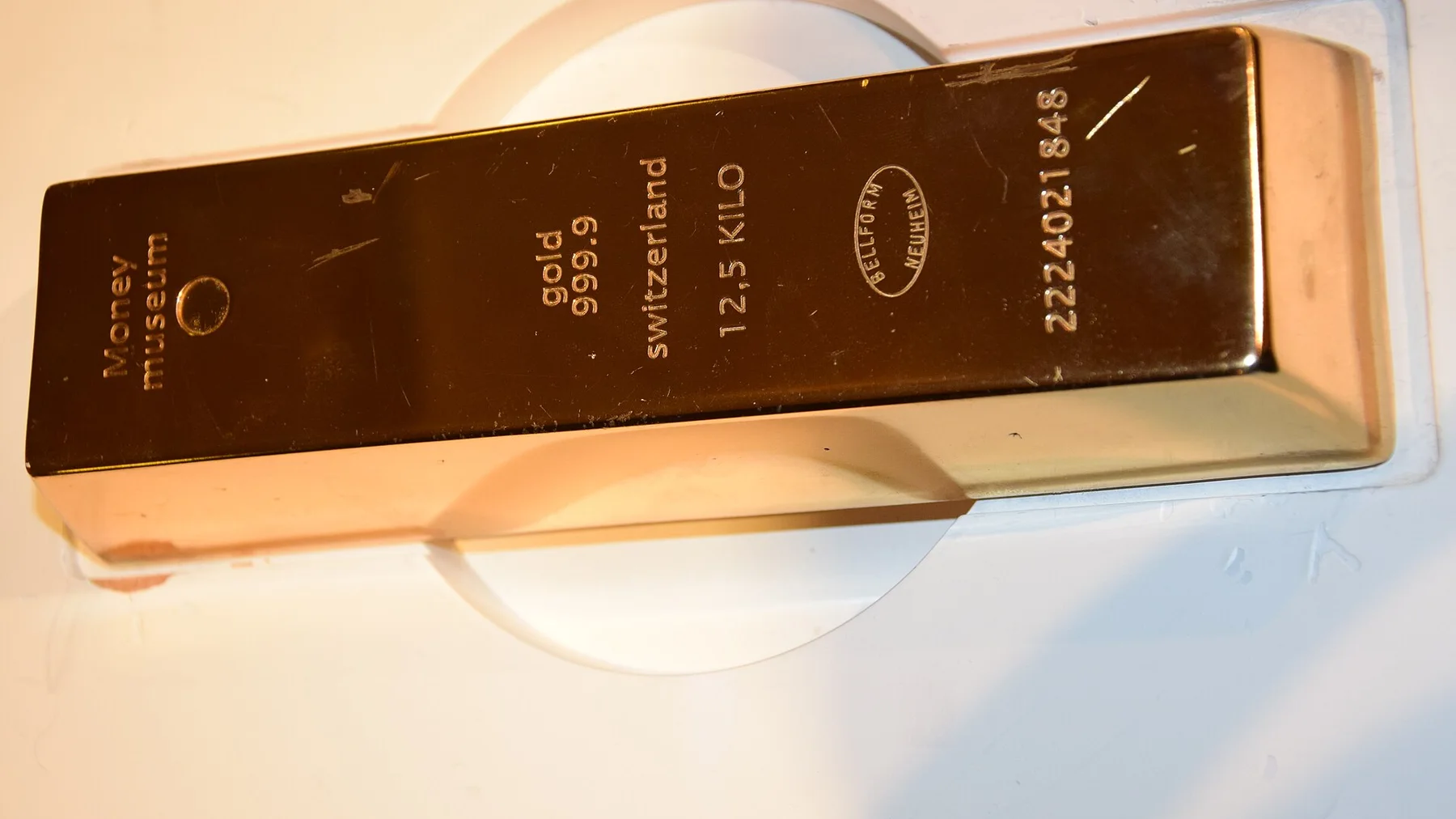
A discussion of gold tends to drift into a discussion of gold equities without acknowledging the change of subject. A miner operates a business: it has people, equipment, permits, liabilities and capital requirements. Its economics do not move one-for-one with the metal. It can lose money in a rising gold market and make a fortune in a flat one, depending on what happens to costs, grades and the share count.
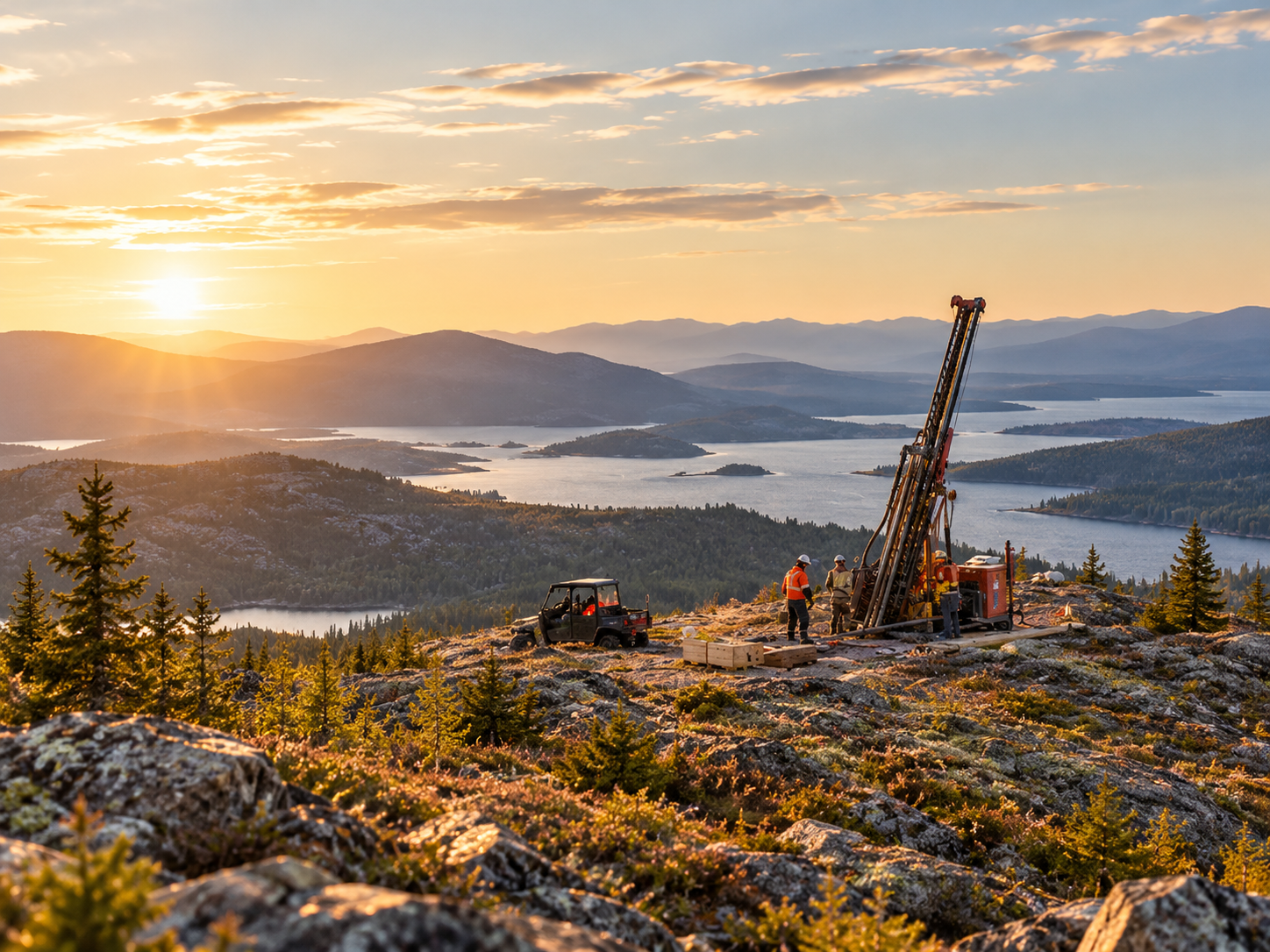
An exploration company carries a different set of uncertainties again. Geological evidence can improve without establishing an economically mineable reserve. Drill results are information, not revenue. The research should identify the stage before discussing potential value — and in Canada, the stage is usually early.
That concentration is the reason a U.S. investor interested in gold ends up looking at Toronto. It is also the reason for caution: a large majority of those listings are exploration-stage companies on the Venture exchange, and the exchange’s own figure for capital raised is a reminder that the sector funds itself by selling shares.
Reconcile the cost story
Reserve replacement matters as much as the cost of this year’s ounces. A mine can produce strong current cash flow while consuming a finite asset. Investors need to consider the cost and the probability of replacing that production over time — and whether the replacement comes from the drill bit, from an acquisition paid for in shares, or not at all.
Test more than the gold price
Commodity-price sensitivity is useful but incomplete. Grade, recovery, operating costs, sustaining capital and share count can each change the result as much as a US$200 move in the gold price.
Comparisons across producers should use consistent periods and a clear treatment of development assets. For exploration companies, the possibility — usually the certainty — of future financing should be explicit rather than omitted from a per-share narrative. A 50-cent stock with 200 million shares and a 20-million-dollar exploration program is a 50-cent stock with 240 million shares next year.
Read progress in its proper category
A drill result, a resource update and a production report answer different questions. None should be presented as interchangeable evidence of an economic outcome.
Milestones worth tracking: technical reports and reserve reconciliations; operating performance versus guidance; sustaining and growth capital requirements; funding needs and changes in share count.
The distinction that matters
The other side of the thesis
What could break it
- Gold-price volatility, in both directions, is the first-order driver of miner cash flow.
- Grade, recovery and cost variability can erode the benefit of a higher price.
- Reserve depletion: a mine is a wasting asset, and replacing ounces costs money.
- Exploration uncertainty and dilution: most explorers never become mines, and most are funded by issuing shares.
- Currency: many Canadian miners sell in U.S. dollars and spend in Canadian dollars; the exchange rate moves margins.
Read the original documents
Sources
-
1
Mining — sector profile
Approximately 40% of the world's public mining companies listed on TSX and TSXV; $1.1 trillion of mining market capitalization; $16 billion raised in 2025; 54 new mining listings in 2025. Exchange-reported figures.
-
2
Gold facts
Reference for gold uses, Canadian production and trade.
-
3
SEDAR+ public filings
Technical reports (NI 43-101), financial statements and private-placement disclosures.